
TechnologyMar 20, 2026
What Is a Hydrogen Fuel Cell? How It Works Simply
Learn how hydrogen fuel cells convert hydrogen to electricity with zero emissions. Simple explanation of the science and real-world uses.
4 min read
The Short Answer
A hydrogen fuel cell converts hydrogen gas into electricity through a chemical reaction. The only byproducts are electricity, heat, and water vapor. No burning. No emissions. No noise.
Think of it as a battery that never dies, as long as you keep feeding it hydrogen.
How a Hydrogen Fuel Cell Works
The process happens in five steps:
That's it. Hydrogen in, electricity out, water vapor as the only exhaust.
- 01
Hydrogen enters the fuel cell on the anode (negative) side
- 02
A catalyst (usually platinum) splits hydrogen molecules into protons and electrons
- 03
Electrons travel through an external circuit, creating electricity
- 04
Protons pass through a membrane to the cathode (positive) side
- 05
Oxygen from the air combines with the protons and electrons, producing water and heat
Fuel Cell vs Battery: What's the Difference?
A battery stores a fixed amount of energy. When it's drained, you recharge it (which takes time) or replace it.
A fuel cell generates electricity continuously as long as it has fuel. When hydrogen runs low, you swap in a fresh cartridge and keep going. No charging time. No degraded capacity over cycles.
Types of Hydrogen Fuel Cells
Several types exist, but two dominate portable power:
PEM (Proton Exchange Membrane) fuel cells are the standard for portable applications. They operate at low temperatures (60-80°C), start quickly, and work well at variable loads. This is what most portable hydrogen power systems use.
SOFC (Solid Oxide Fuel Cells) operate at much higher temperatures and are better suited for stationary, high-output applications.
For man-portable and field-deployable power, PEM fuel cells are the clear choice.
Real-World Applications
Defence and Military
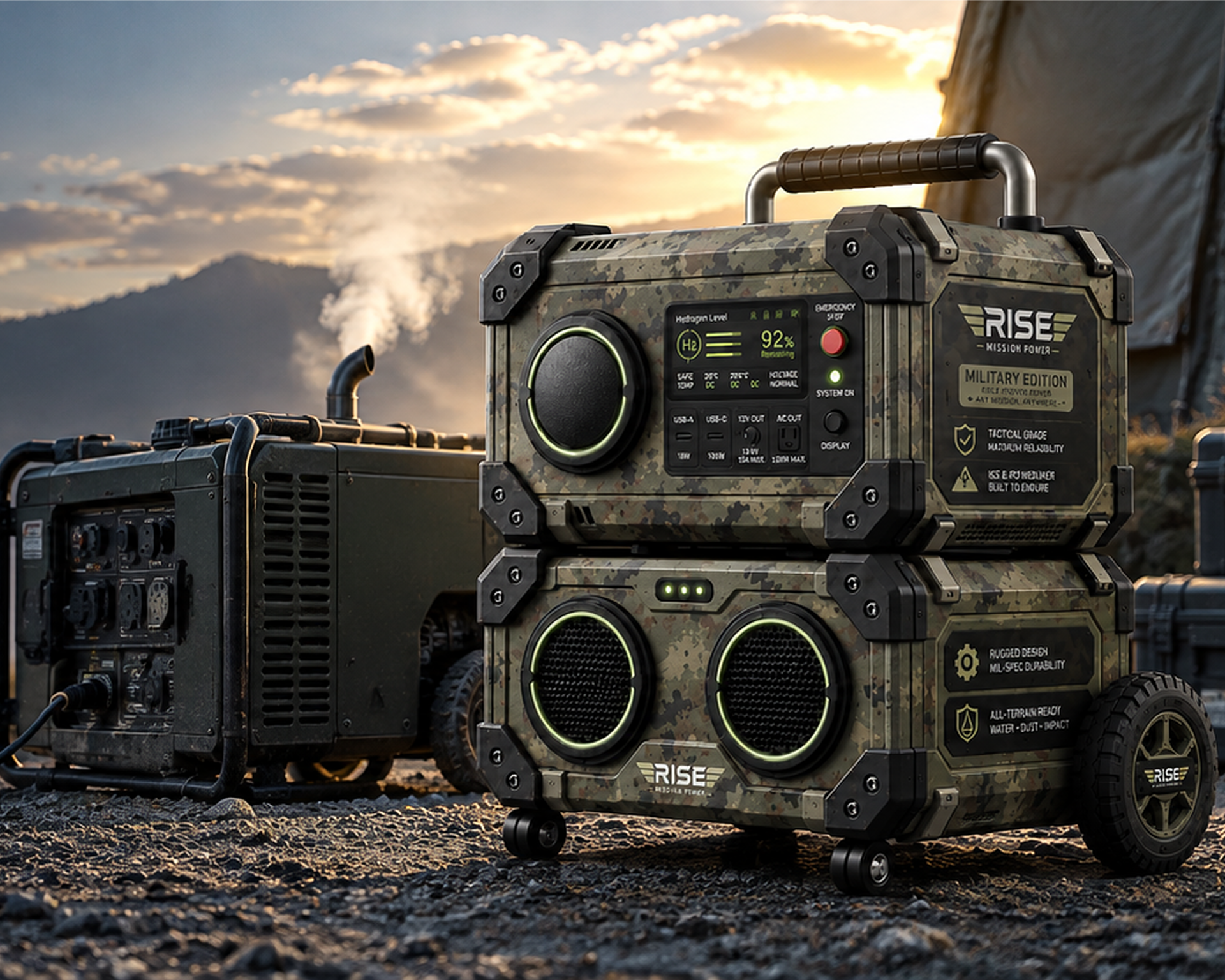
Silent power for forward operating bases, surveillance equipment, and drone operations. Zero acoustic, thermal, and emissions signature.
Disaster Response
Emergency power for hospitals, communications, and shelters. Safe for indoor use with no carbon monoxide risk.
Remote Operations
Sustained power in locations where fuel resupply is difficult. Pre-position hydrogen cartridges and operate for days without maintenance.
Critical Infrastructure
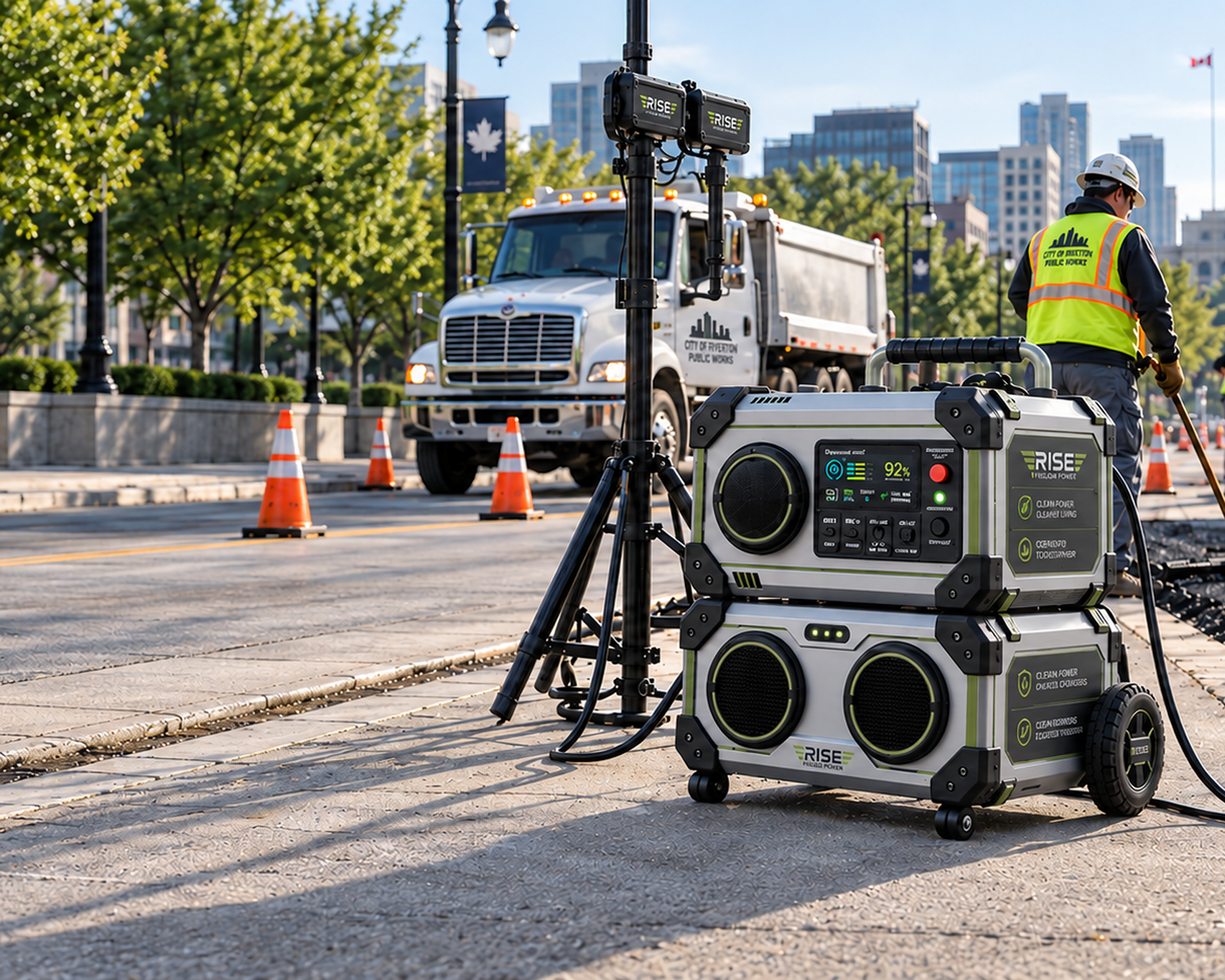
Backup power for data centers, command facilities, and telecommunications. Instant failover with zero emissions.
The Hydrogen Fuel Question
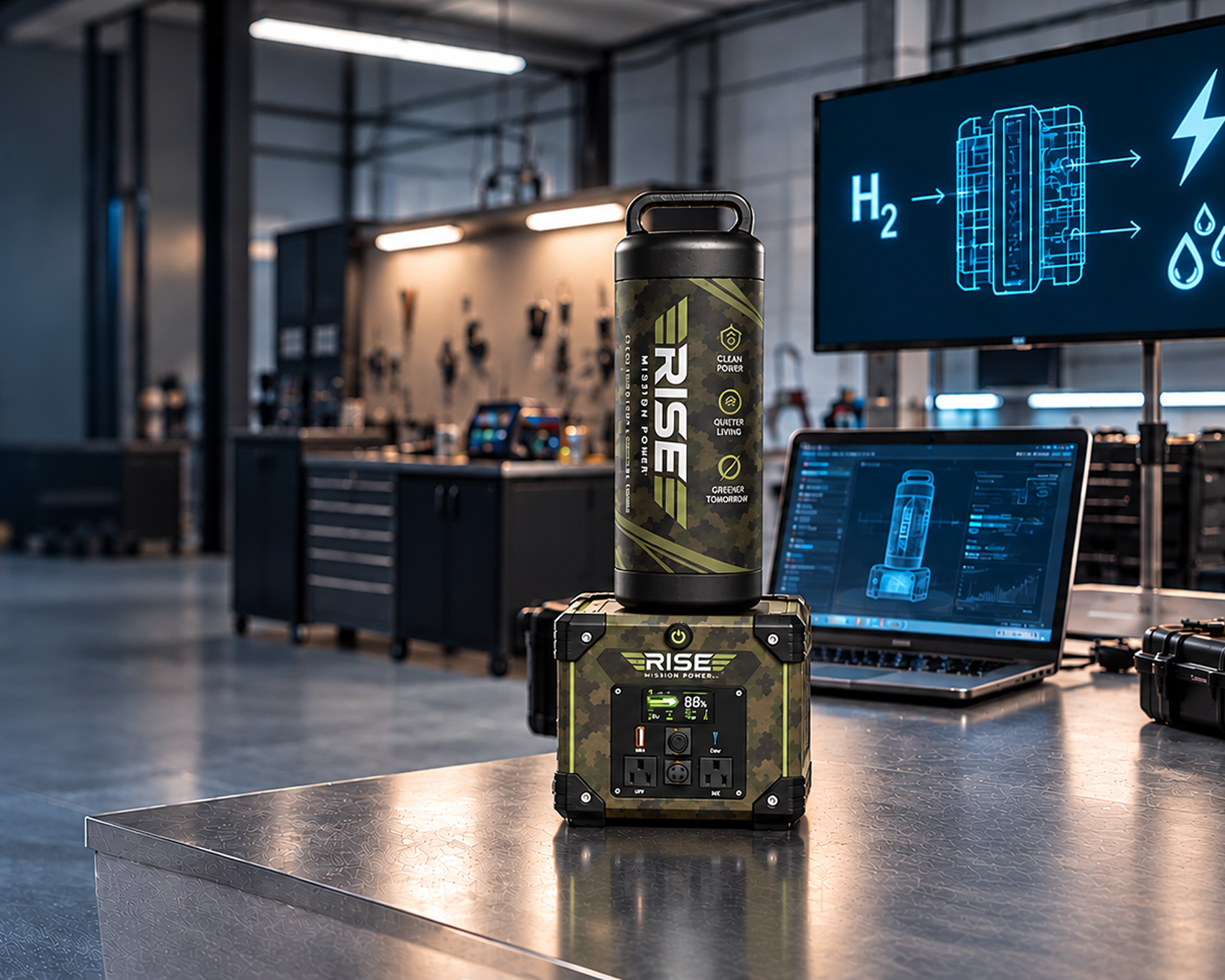
The most common concern about hydrogen fuel cells is fuel availability. Modern systems solve this with cartridge-based fuel delivery:
This cartridge approach makes hydrogen logistics comparable to swapping batteries, not managing a fuel supply chain.
- 01
Pre-filled, sealed cartridges with 15+ year shelf life
- 02
Swap in seconds with no tools
- 03
RFID monitoring tracks fuel level and cartridge health
- 04
Lightweight enough for one person to carry
FAQ
Is hydrogen fuel cell technology new?
No. NASA has used hydrogen fuel cells since the 1960s Gemini space program. The technology is mature. What's new is miniaturization and cartridge-based fuel delivery that makes it practical for portable, field-deployable applications.
Are hydrogen fuel cells expensive?
Costs have dropped significantly over the past decade. For applications where noise, emissions, weight, or indoor safety matter, hydrogen fuel cells offer a lower total cost of ownership than diesel generators when you factor in fuel logistics, maintenance, and compliance costs.
How efficient are hydrogen fuel cells?
PEM fuel cells convert 40-60% of hydrogen's energy into electricity. This compares favorably to diesel generators at 25-35% efficiency. When waste heat is captured, overall system efficiency can exceed 80%.
Is hydrogen safe to store?
Modern hydrogen cartridges are engineered with multiple safety systems including leak-proof seals, pressure relief valves, and impact-resistant construction. Hydrogen dissipates rapidly if released, unlike liquid fuels that pool and create fire hazards.
Can hydrogen fuel cells replace all generators?
Not yet. For very high power applications (50kW+), diesel generators still dominate on cost per kilowatt. But for portable power under 5kW, hydrogen fuel cells now match or exceed diesel on every metric except upfront cost, and total cost of ownership often favors hydrogen.
Related